
The Orange Shirt Society
(OSS)
A non-profit organization committed to raising awareness about the lasting impacts of the Residential School system and promoting Reconciliation through the message that Every Child Matters. Through community engagement, OSS educates the public, honours survivors and fosters healing across generations. Their work is rooted in storytelling, cultural remembrance and community engagement, amplifying survivor voices and supporting truth and Reconciliation efforts nationwide.
Eenou-Eeyou Community Foundation
A Cree-led philanthropic foundation supporting the social, cultural, and economic development of the Cree Nation of Eeyou Istchee in northern Quebec. It funds initiatives in education, youth development, health, culture, and community resilience, guided by Cree values and governance.

Indigenous Watchdog
A federally registered non-profit that monitors and reports on the progress of the Truth and Reconciliation Commission’s 94 Calls to Action. It curates credible, current information to educate and empower Canadians to take action toward Reconciliation.
Moccasin Footprint Society
(MFS)
An Indigenous-led charitable organization that supports Indigenous sovereignty through education, cultural revitalization and land stewardship. Guided by Secwepemc and Nuxalk leadership, MFS uplifts Indigenous knowledge systems and governance, fosters intergenerational learning and leads community-based initiatives that reconnect people to their homelands and traditions.
The Orange Shirt Society
(OSS)
A non-profit organization committed to raising awareness about the lasting impacts of the Residential School system and promoting Reconciliation through the message that Every Child Matters. Through community engagement, OSS educates the public, honours survivors and fosters healing across generations. Their work is rooted in storytelling, cultural remembrance and community engagement, amplifying survivor voices and supporting truth and Reconciliation efforts nationwide.
Join the movement

VCF and One Day's Pay
VCF has been an advocate, partner and supporter of the One Day’s Pay campaign since the movement started five years ago, activating the campaign amongst our community and supporters. Together we have mobilized funding towards Indigenous-led non-profits and grassroots organizations. Each year, VCF donates one day’s worth of our staff’s wages to an Indigenous-led and –serving organization with sustained multi-year support.
Learn more about how we engage with the One Day’s Pay campaign as a settler-led philanthropic organization, and some suggestions for how other foundations and non-profit organizations can join the movement.
Read our blog article feature with One Day’s Pay Lessons from five years of partnership:
To explore more resources that embody the spirit of the work we do, we invite you to read some of our recent blog articles:
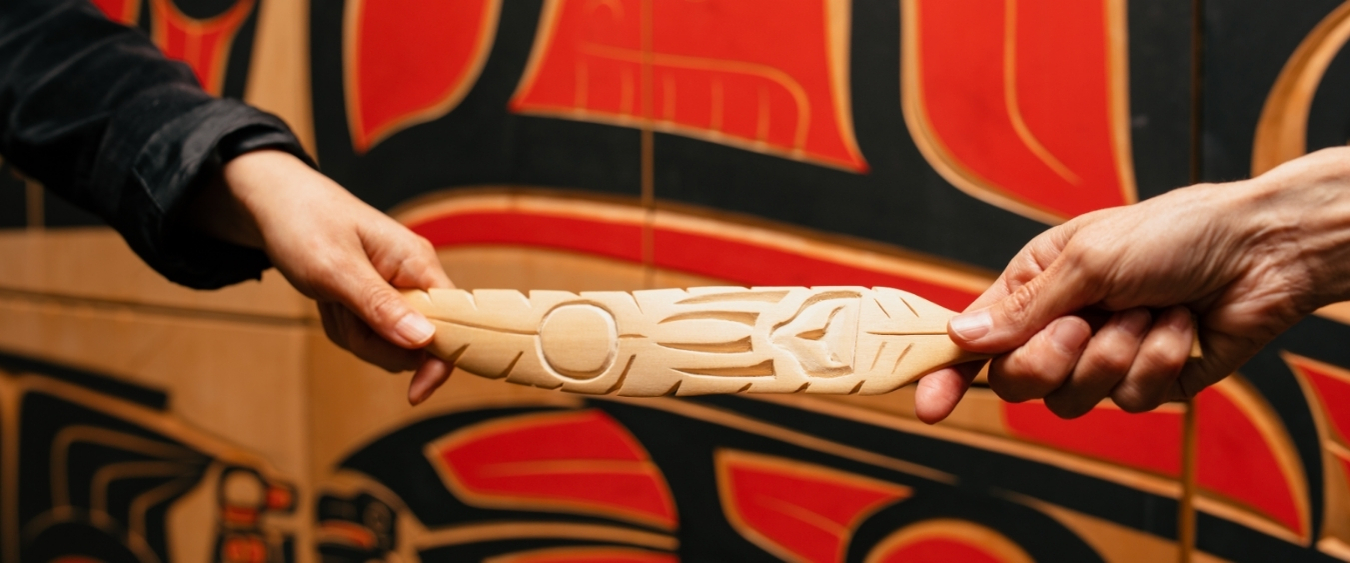
At Vancity Community Foundation (VCF), we recognize that Reconciliation begins with truth. VCF recognizes that philanthropy, like most institutions in our country, is a part of colonial systems that perpetuate exclusion and inequity. We are committed to acknowledging the realities of colonialism, honoring Indigenous leadership and actively working toward a more just and equitable future.
Honoring the land and its Peoples 
VCF operates on the ancestral, unceded territories of the xʷməθkʷəy̓ əm (Musqueam), Skwxwú7mesh (Squamish) and səl̓ílwətaʔ/Selilwitulh (Tsleil-Waututh) Nations, among others across British Columbia. We acknowledge that these lands were never surrendered and that our presence here is a result of colonial laws and systems that displaced Indigenous Peoples. We recognize the environmental degradation caused by colonization and its disproportionate impact on Indigenous communities.
Acknowledging historical and ongoing injustices
We confront the legacy of physical and cultural genocide, including residential schools, the Sixties Scoop and systemic violence against Indigenous women and girls. These injustices have deeply disrupted Indigenous cultures and communities. Yet, Indigenous Peoples continue to lead with resilience, preserving traditions and driving movements for justice and environmental stewardship.
Addressing wealth and power inequities
VCF acknowledges not only the role of colonial systems—and philanthropy itself—in perpetuating exclusion and inequity, but also our own place within these structures. We are committed to shifting resources and decision-making power to Indigenous, Black and equity-deserving communities, recognizing that true Reconciliation requires economic justice.
Taking action toward Reconciliation
We are proud members of The Circle on Philanthropy and signatories of it’s Declaration of Action for the philanthropic community. This means we are actively working to fulfill the vision of Indigenous Peoples and support the recommendations of the Truth and Reconciliation Commission, the United Nations Declaration on the Rights of Indigenous Peoples and the Calls to Justice for Murdered and Missing Indigenous Women and Girls.
VCF is committed to:
- Decolonizing our practices by challenging white-dominant norms and embedding Indigenous ways of knowing.
- Collaborating with Indigenous partners to build right relations rooted in care, reciprocity and mutual respect.
- Prioritizing Indigenous-led initiatives in our funding, partnerships and advocacy.
- Embedding Reconciliation in all aspects of our work, from philanthropy and social finance to community engagement and capacity building.
We understand that Reconciliation is a complex and ongoing journey. VCF is committed to walking this path with urgency, humility and accountability.
September 30th is a time to honour Survivors of residential schools, their families and communities, and to reflect on the ongoing impacts of colonialism. These days aren’t just about remembrance —they’re a call to action. Continued learning is one of the most powerful ways we can show up—not just on one day, but all year round.
Whether you're reading the Truth and Reconciliation Commission’s 94 Calls to Action, exploring Indigenous-led organizations or learning more about the land you live on, every step helps build a more respectful and informed future. We’ve gathered a range of resources to help our community deepen our understanding and take meaningful action, together.
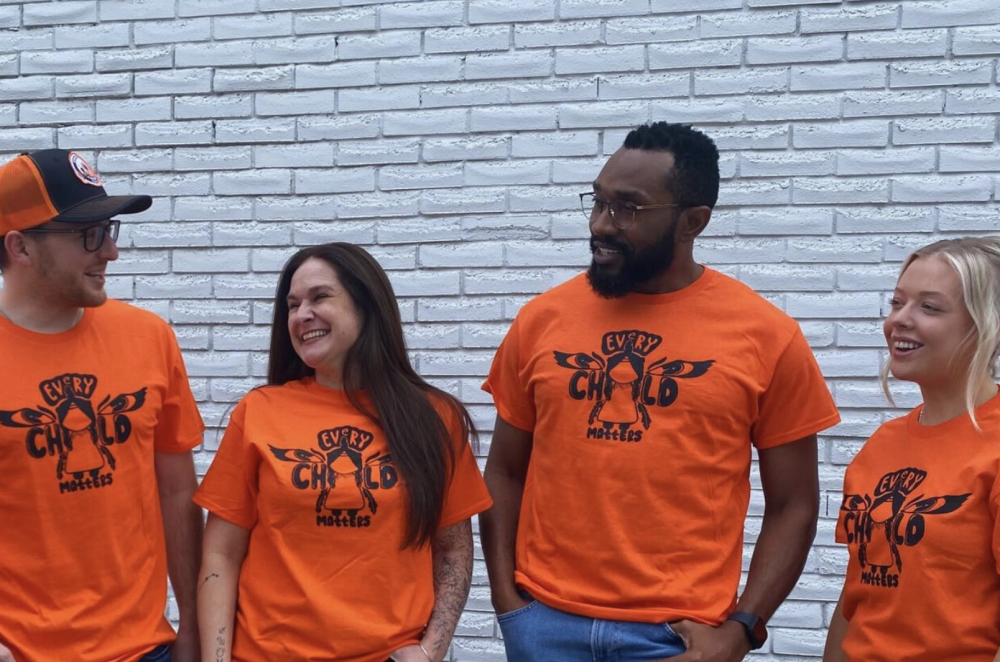
Ways to support Orange Shirt Day:
- Join the One Day’s Pay movement and donate to an Indigenous-led or –serving organization.
- Visit Orange Shirt Society’s website and read the story of Orange Shirt Day.
- Purchase official Orange Shirt merchandise, benefiting Orange Shirt Society.
- Wear orange on Sept 30 to show your support.
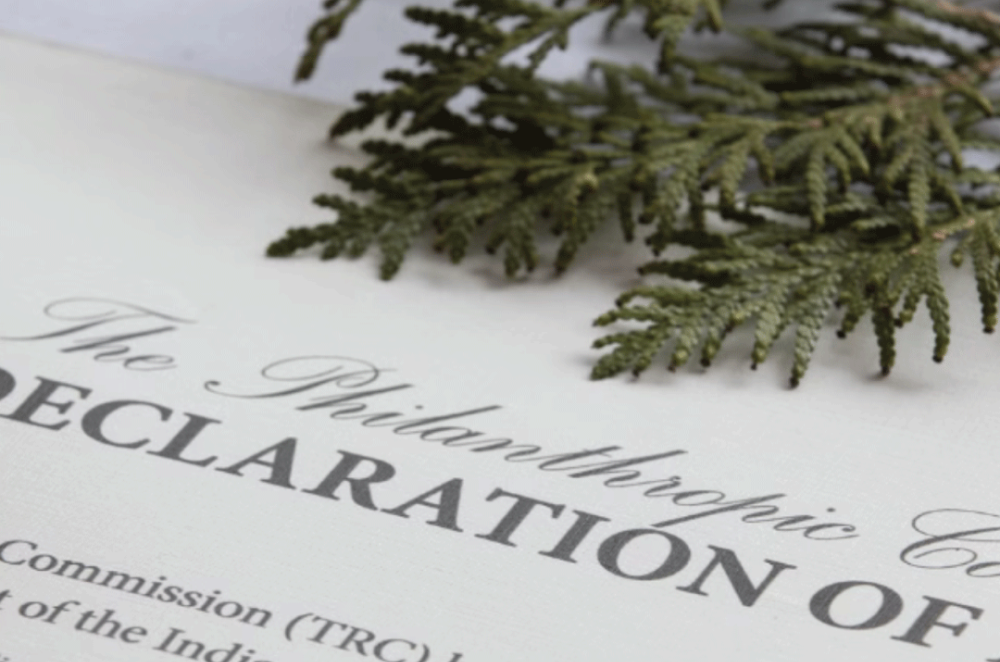
Ways to further your learning and understanding:
- Review the Truth and Reconciliation Commission’s 94 Calls to Action and the final report from the National Inquiry on MMIWG2S’s 231 Calls for Justice.
- Review the Philanthropic Community’s Declaration of Action.
- Visit On Canada Project's Settlers Take Action.
- Browse resources and ideas at Orange Shirt Day Society
- Read 150 Acts of Reconciliation for the Last 150 Days of Canada’s 150.
- Deepen your understanding of the residential school system: UBC Indian Residential School History and Dialogue Centre, Royal BC Museum learning portal: Residential Schools and Reconciliation and The Orange Path.
Ways individuals can demonstrate solidarity with Indigenous Peoples:
- Read One Day’s Pay and The Circle on Philanthropy’s Guide to Deeper Engagement.
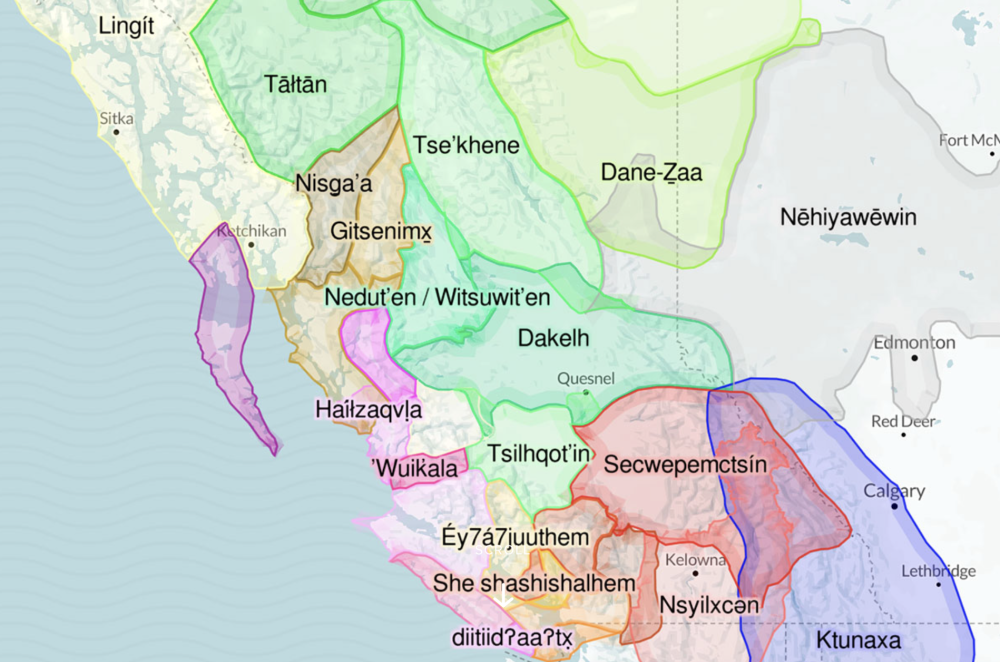
- Learn more about where you live. The First Peoples’ Map can be used to view Indigenous language regions, artists and artworks, place names and community landmarks. You can hear the pronunciation of language names, greetings, places and more.
- Use your voice and energy to call for clean drinking water in Indigenous communities, by taking a moment to complete this action asking the Prime Minister to end drinking water advisories in First Nations.
- Visit the Feast House, a robust directory of Indigenous-led organizations that you can give to.
Ways to support Indigenous arts and businesses:
- Read a book written by an Indigenous author. Support local Indigenous-owned and operated bookstores like Massey Books.
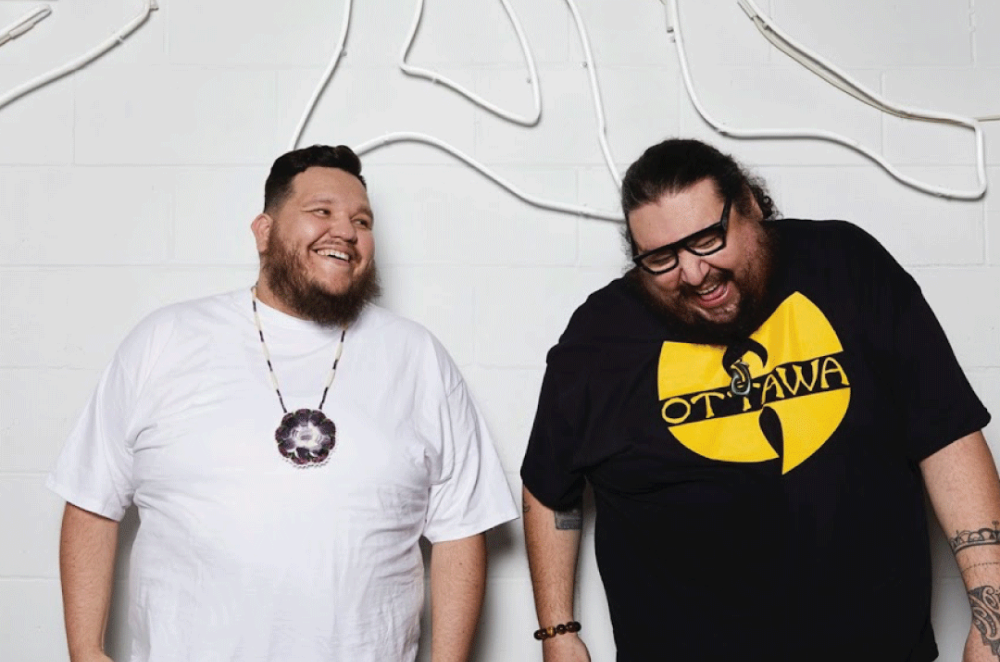
- Explore Indigenous music artists like The Halluci Nation, Aysanabee, Logan Staats, Morgan Toney, Crezus, Boogey the Beat, A Tribe Called Red, DJ Shub, Jeremy Dutcher, Cris Derksen and Robbie Robertson.
- Watch an Indigenous film from the National Film Board, or check out Monkey Beach, Reservation Dogs, Rutherford Falls and Smoke Signals.
- Shop at, give to or learn more about an Indigenous-owned business, social enterprise, non-profit or charity in your community. Visit Strong Nation's site for Indigenous books and gifts.
La Boussole and 312 Main - Explore Squamish Nation Culture
Join La Boussole for an immersive cultural workshop exploring the rich traditions of the Skwxwú7mesh Úxwumixw (Squamish Nation). This engaging evening will guide participants through important themes including pre-contact history, the impact of residential schools and an introduction to traditional Coast Salish wool weaving.
When: Sept. 18 from 5:00pm - 7:00pm
Where: 312 Main Street
Register